
The Republic of Congo - Salissa Mwana
Protecting children: the Eni Foundation launched the Salissa Mwana healthcare project in the Republic of Congo to support children in rural areas.


About the project
Kouilou, Niari and Cuvette are three extremely isolated and difficult to access rural regions of the Republic of Congo. Through its Salissa Mwana project, the Eni Foundation sought to improve healthcare – and particularly children’s healthcare – in these areas, for example through vaccination programmes for the most common conditions. By the end of the programme, an impressive 30 health centres in the area had been stocked with equipment. The project reinforced basic healthcare services (such as treatment, immunisation, preventive medicine and prenatal and postnatal consultation), trained healthcare professionals and raised awareness of prevention among the local population. The project lasted four years, from 2007 to 2012, and cost approximately €10 million.
Our achievements
We achieved the following results:
- infrastructure: 30 outlying health centres were completely renovated and fully equipped. We installed solar panels to generate electricity and wells for drinking water
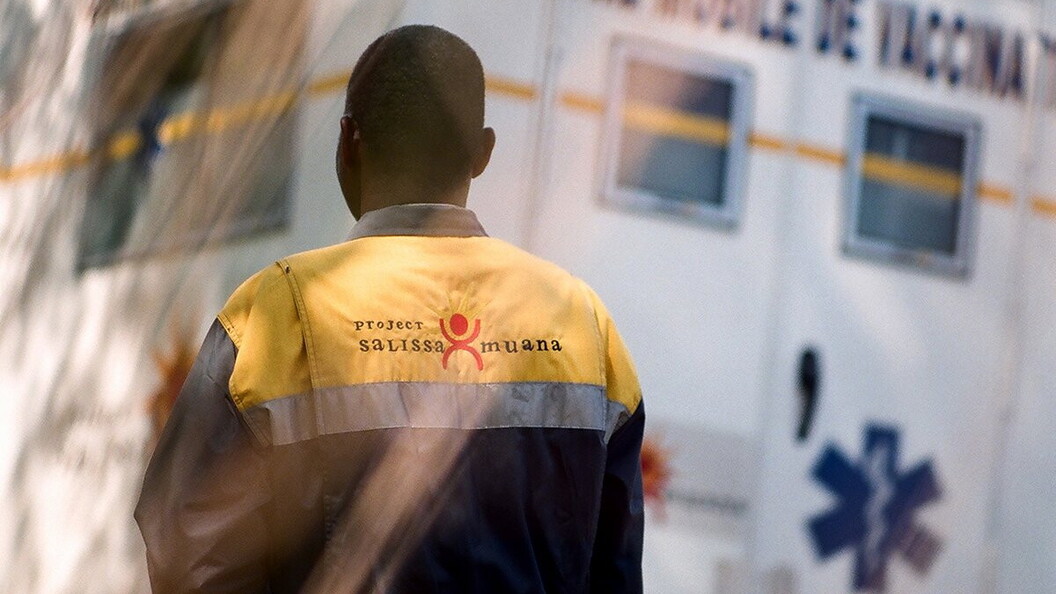
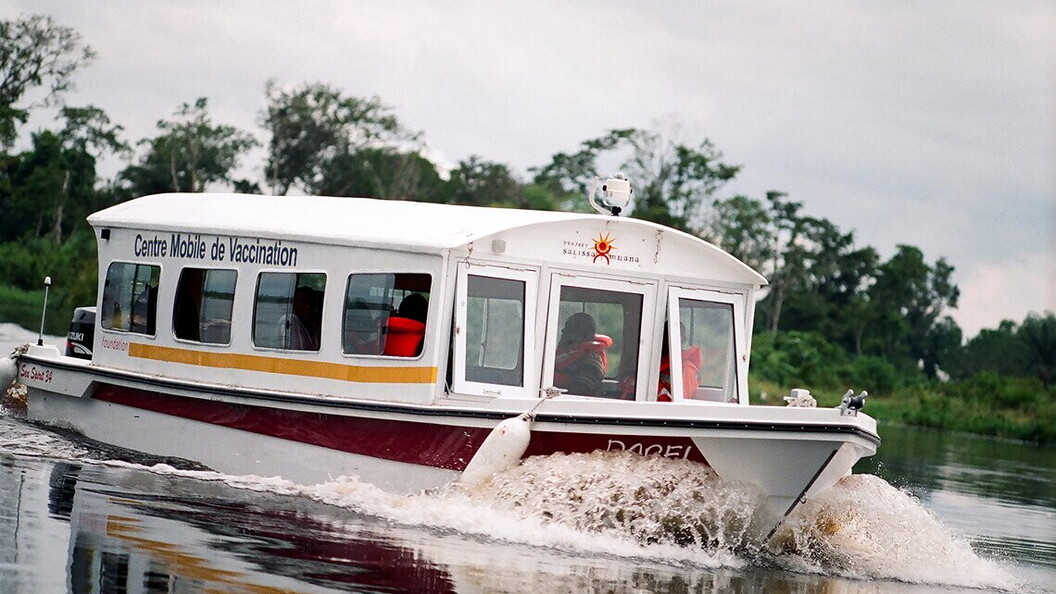
- vaccination campaigns: we provided vaccination in support of the Congolese Ministry of Health’s national vaccination programme; campaigns to fight the most common conditions took place both in healthcare facilities and directly in the most remote villages, through mobile vaccination clinics. In 2012, the vaccination strategy saw 1,479 vaccination campaigns completed. In total the project organised 4,855 vaccination campaigns, with 439,132 vaccines administered (antigens: BCG, DTC3, VAR, VAA, Vit A, VAT 2+)
- training: over the life of the project 870 training sessions were held with 712 people trained, comprising 470 medical staff, 57 healthcare managers (as part of the programme organised by the NGO Medici in Africa), 25 trainers and 160 healthcare workers in the maternity sector, chosen from the three departments specialising in emergency obstetrics and neonatal healthcare. Staff working in health centres and chemists not connected to the Eni Foundation were also able to benefit from the sessions
- awareness campaigns: in 2010, a public awareness campaign was launched concerning the prevention of communicable children's diseases and the importance of vaccination. It had the support of the Congo Assistance Foundation (a local NGO) and was based on the experience of the pilot programme in Kouilou and, to a lesser extent, Niari. The operation was split up into three stages: institutional visits to local authorities, surveys of local inhabitants to explore their knowledge on the topics covered by the campaign and monthly information sessions. By the end of 2012, 84 per cent of the region had been covered, with 983 villages out of a total of 1,166 reached.
Salissa Mwana Project: Results - 2007-12
| DATA | |
|---|---|
| Outlying health centres renovated | 30 |
| Vaccination campaigns | 5.153 |
| Total vaccinations administered | 446.626 |
| Prenatal consultations given as part of mobile strategy | 7.413 |
| Women who received ‘clean birth’ kits | 1.694 |
| Villages covered by vaccination campaign | 1.166 |
| Training/monitoring sessions | 1.622 |
| Staff trained in the prevention of transmission from mother to child | 524 |
| Public awareness sessions | 701 |

Aims of the project
- infrastructure: to increase the capacity of outlying healthcare centres in the three regions covered
- vaccination campaigns: to reduce rates of the most common childhood illnesses through vaccination programmes
- training: to increase the knowledge of local healthcare workers regarding vaccination and prevention
- awareness campaign: to raise awareness among the local population about the prevention of communicable illnesses.
Our partners
The Eni Foundation financed the project and was responsible for its management and general coordination, working in partnership with:
- the Congolese Ministry of Health, which provided the healthcare facilities involved, medical staff, vaccines and essential drugs
- the Congo Assistance Foundation, which provided operational support, in particular human resources for education and communication work in local communities
- the Department of Paediatrics at Sapienza University in Rome, which provided scientific support for the staff training, public health surveillance and public awareness campaigns.
Country Profile: Republic Of Congo
| Fonte: UNICEF 2010 | |
|---|---|
| Population (millions) | 4.043 |
| - aged under 18 (millions) - aged under 5 (millions) | 1.895 623 |
| Life expectancy at birth (years) | 57 |
| Infant mortality rate (per 1,000 live births) | |
| - 0-5 years - 0-12 months - neonatal | 93 61 29 |
| % born underweight (2003-08) | 13 |
| % children aged 0-5 underweight (moderate or severe, 2006-10) | 11 |
| % children aged 0-5 with stunted growth (moderate or severe, 2006-10) | 30 |
| Maternal mortality rate (per 100,000 live births, 2006-10) | 780 |
| Lifetime risk of maternal death (2008) | 1 in 39 |
| Gross National Income per capita (US $) | 2.310 |
| Healthcare spending | |
| - as % of Gross National Income (2009) | 2 |
| - as % of state expenditure (2000-09) | 4 |


